A drift experience gift skips the small talk: a few laps, a lot of noise and a grin that lasts the rest of the day. It suits anyone who loves driving and motorsport: the driver who wants to learn something new and the passenger who just wants to feel it.
Drift taxi, drift school and track driving
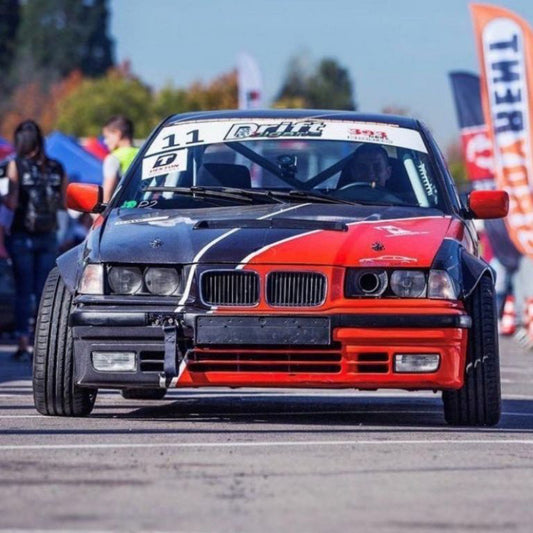
- Drift taxi: you sit next to a professional champion driver in a powerful drift car that takes every corner sideways and burns through two full sets of tyres. On some rides the track is reserved just for your session. It's pure adrenaline with nothing to learn.
- Drift school: an individual drift lesson where you drive yourself: a short theory session, then exercises tailored to your level (basic car control, throttle management and sustained drift technique), with an instructor beside you.
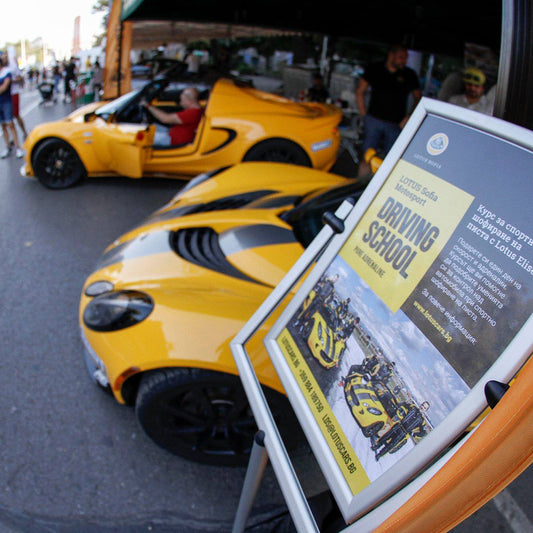
- Track driving: a sports car on a closed circuit with a professional instructor, such as a Lotus driving experience. There's also a full extreme driving course with theory and practice of car control.
To choose, ask yourself whether they want to feel it or learn it. A drift taxi is the safe bet for someone who loves the thrill but not the steering wheel; drift school suits a driver who wants a new skill; a track driving experience is for someone who has always wanted to see what a sports car can do.
What drifting feels like – and what it teaches
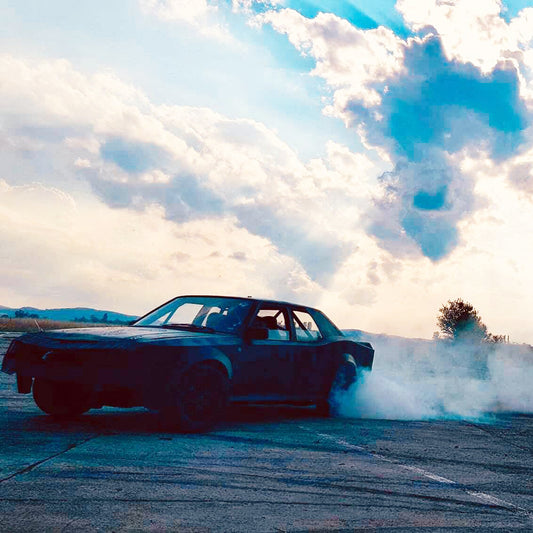
The first slide is the moment people remember. The rear of the car steps out, the horizon swings across the windscreen, the tyres howl – and for a second it feels like losing control, until you realise someone is holding it exactly there. It's loud, physical and over too soon, which is why most people want another lap.
Behind the wheel, drifting is about balance between throttle, steering and weight transfer, with countersteer to catch the slide. Nobody expects perfect drifts on the first try; what people take home is a feel for pushing a car to its limits in a controlled environment, and more respect for the drivers who make even the trickiest corner look easy.
Extreme driving in Bulgaria: where, when and who can take part
The drift and extreme driving experiences in this collection take place on closed tracks and training grounds, for example near Sapareva Banya and Plovdiv, never on public roads, always with an instructor or a professional driver. They run most of the year.
No racing experience is needed, and there are age limits. Comfortable clothes and flat, thin-soled shoes are a good choice.
A drift gift for speed lovers and petrolheads
A drift experience voucher is a great gift for anyone who loves cars, speed or motorsport: a birthday, a milestone where cake isn't enough, or a reward after a big exam or promotion. It's a favourite among gifts for him, and just as good for anyone who has ever wondered what a car can really do.
It also makes a great sports car driving gift for a group: you drive back-to-back on the same track and compare your slides afterwards, a strong choice for stag parties and corporate outings. For off-road thrills, look at ATV and off-road; for adrenaline from ground to sky, try flying a plane or a skydive; and for the rest, all our extreme experiences.
An extreme driving voucher – as a gift or for yourself
Give it to the person who still talks about the go-karts from their teens, or to someone who needs a jolt of adrenaline after a long year. It's the gift for a speed lover that gets their heart racing – in a good way.
It's also one to buy for yourself. If you've ever watched a drift video and thought "that's not for me", this is the place to find out – with a professional beside you, on a closed track, one corner at a time.
Questions about drift experiences
How much does a drift experience cost?
It depends on the format (drift taxi, drift school or a track session) and the number of laps or minutes. A few laps in a drift taxi are the lighter option; a full day at drift school or a track session in a sports car is another level altogether. Wheel or passenger seat? If you'd rather not decide for them, give a GiftCard+: the amount is yours to set, the choice among 1000+ gift ideas at Gift Come True is theirs.
Do you need a driving licence for drifting?
Not for a drift taxi, where you're the passenger. Drift school and track driving require a valid licence, since you drive the car, and a track day in a sports car is for adults.
What is the difference between a drift taxi and drift school?
In a drift taxi a professional drives and you feel the speed from the seat beside them; at drift school you drive, with an instructor beside you.
How do you drift in real life?
In a rear-wheel-drive car, the driver makes the rear tyres lose grip with throttle or weight transfer, then steers against the slide and balances it with the pedal. It takes practice, which is exactly what a drift school gives you on a closed course.
Can a beginner go to drift school?
Yes, and that's the whole idea: drift school is designed for beginners with no experience: lessons start from the basics and the difficulty grows as you progress.
Is extreme driving safe?
It's motorsport, so it's never risk-free, but everything takes place on closed tracks with no public traffic, with an instructor or a professional driver beside you or at the wheel.
Can two people do a drift experience together?
Yes, and it's twice the fun: one after the other, each with their own session, so two friends or a couple can book the same day and take turns at the wheel or in the passenger seat.
Where is there a drift school in Bulgaria?
On closed tracks and training grounds, where a cone course gives beginners room to practise their first slides. One is in the area around Sapareva Banya, near Dupnitsa.
What if they'd rather skip the drift?
No problem at all – the gift can switch tracks. An unregistered voucher that isn't for a fixed date can be exchanged once for another experience while it's valid, with any price difference paid or kept as credit.
How far ahead should a drift session be booked?
Ask for the date at least 10 days ahead. The recipient registers the voucher code on the booking page; depending on the partner, our consultant books the date, usually within 1–3 working days, or puts them in touch with the organiser. If heavy rain or ice makes the track unsafe, the session moves to another day at no extra charge.
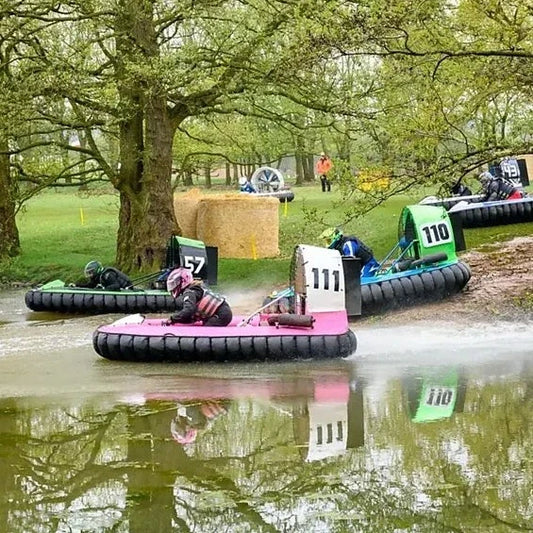 Regular price From €62,00Unit price perRegular price
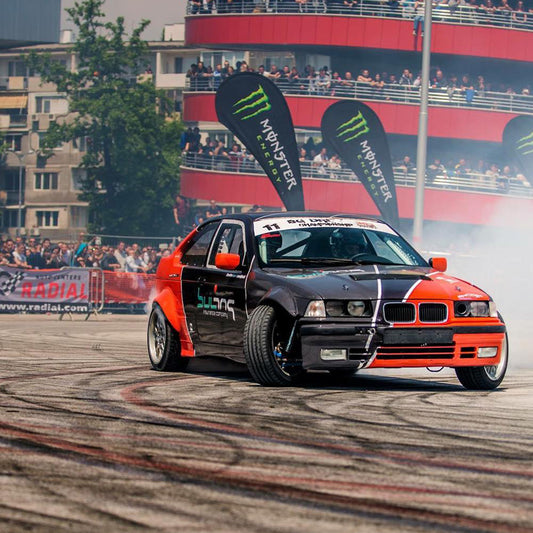
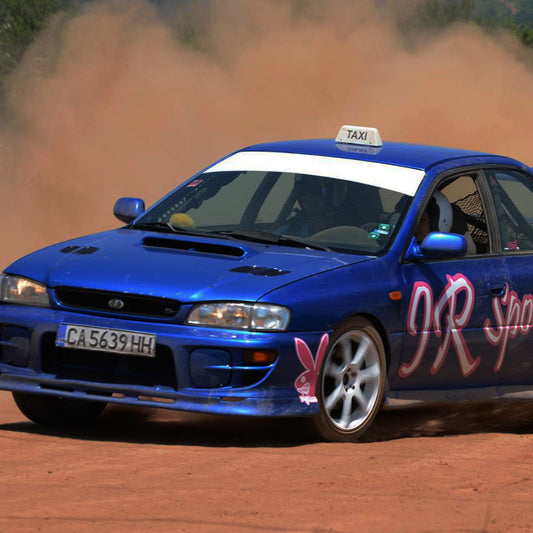 Regular price From €199,00Unit price perRegular price
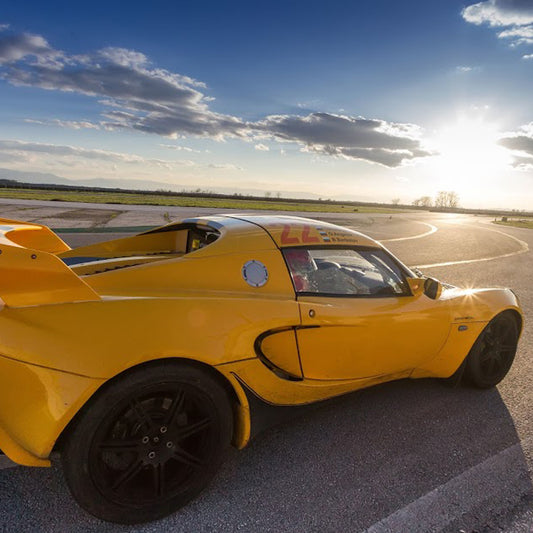
 Regular price From €506,18Unit price perRegular price
 Regular price From €399,00Unit price perRegular price